
Introduction
Trees are vital for the planet’s health, providing oxygen, improving air quality, and adding beauty to every landscape. However, not all trees remain safe over time. Some can pose serious risks to property and people if they become unstable. This is where tree risk assessment becomes crucial. It helps determine the health, stability, and safety of trees before deciding whether removal is necessary.
Professional arborists perform this assessment to ensure that decisions about cutting or preserving trees are based on safety, science, and environmental responsibility.
What Is Tree Risk Assessment?
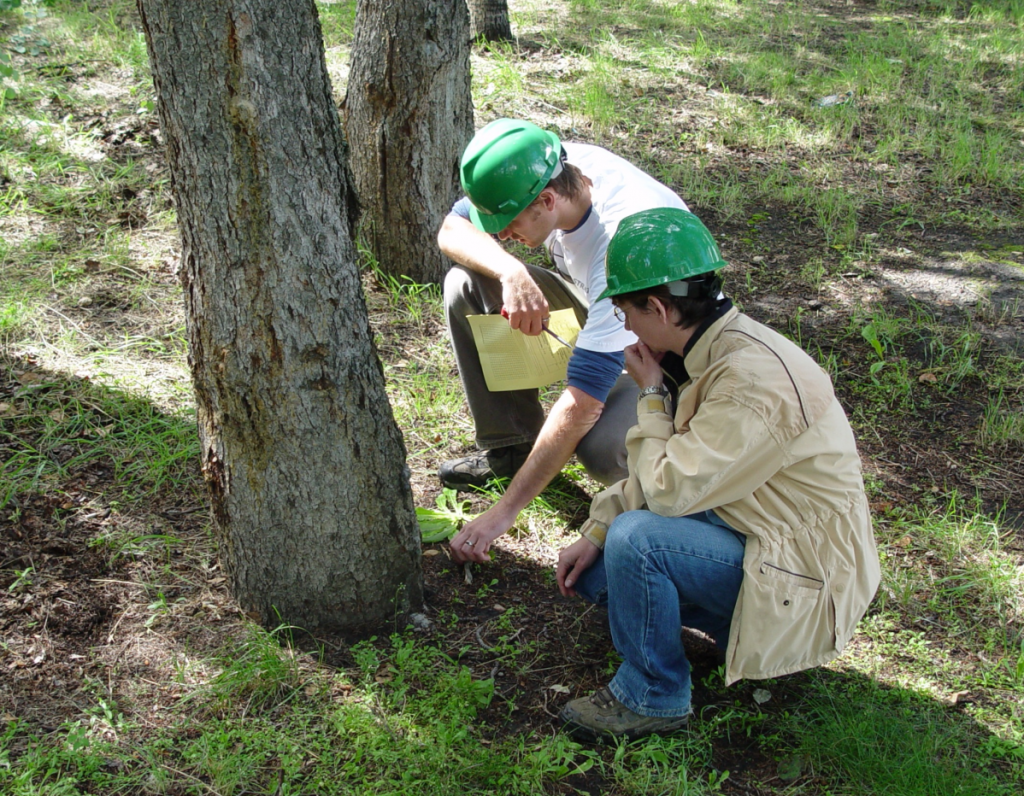
The assessment is an activity carried out by qualified arborists like Pete’s Treeworx to determine a variety of factors like the soil conditions around a tree and the structures at risk if the tree falls. The assessment involves visual assessment, static load testing, digital surveys, and using sensors to map any strains on the tree base. After the condition is assessed the risk probably being caused by the tree falling is then determined. The likelihood pf hitting something important like a bridge, or house road and the amount of damage the tree is likely to cause if it falls can be termed as the main determinants of a tree being removed.
This assessment often includes:
- Visual inspections for visible cracks or decay.
- Static load testing to understand how the tree reacts to stress.
- Digital surveys and mapping using advanced sensors.
Once the evaluation is complete, arborists categorize the tree’s condition to predict its likelihood of failure and the potential damage it could cause if it falls. For example, trees near houses, roads, or bridges receive higher concern because the consequences of falling are greater.
How Arborists Classify Risk Levels
After conducting a tree risk assessment, arborists categorize trees based on their potential to fall or cause harm. The classifications are generally:
Improbable Risk Trees – These trees are stable and unlikely to fall, even during harsh weather conditions.
Possible Risk Trees – These trees may fall during severe storms or high winds.
Probable Risk Trees – These are weaker and may collapse under normal weather conditions.
Imminent Risk Trees – These trees are at immediate risk of falling and must be removed quickly to prevent accidents.
Recognizing these categories helps property owners make informed decisions about maintenance, pruning, or removal.
Common Signs of a Risk Tree
Not every dangerous tree is obvious at first glance. Arborists look for subtle yet significant indicators of potential failure. Here are common warning signs:
- Deep cracks in the trunk or large hollow sections.
- Peeling or diseased bark that indicates infection.
- Root decay or visible fungus growing around the base.
- Leaning posture or weak soil support.
- Dead branches or falling limbs, even in calm weather.
If you notice any of these symptoms, it’s wise to schedule a tree risk assessment before the situation worsens.
Mitigation Before Removal
Tree removal is always the last resort. Arborists first explore other options to reduce risk without harming the environment. These mitigation strategies include:
Providing Temporary Support:
Installing supports or cables can stabilize trees growing in weak or waterlogged soil. Once the ground dries, the tree can regain strength.
Pruning Dead or Weak Branches:
Removing damaged branches reduces the tree’s overall weight and minimizes strain, preventing future breakage.
Relocating Nearby Structures:
In rare cases, if a nearby structure is abandoned or has low value, it might be removed or relocated instead of cutting down the tree.
Treating and Maintaining Trees:
Regular treatment of fungal or bacterial infections, along with pruning, helps restore a tree’s health and stability.
These strategies allow communities to preserve as many trees as possible while still ensuring public safety.
Tree Removal and Safety Considerations
When mitigation is not possible, removal becomes necessary. Professional tree removal services handle this process carefully to avoid property damage and ensure safety. Certified experts use specialized equipment, ropes, and cranes to dismantle the tree in sections, preventing uncontrolled falls.
Safety is a top priority during removal. The surrounding area is secured, and nearby structures are assessed for potential impact. The removed tree is then disposed of responsibly, often recycled into mulch or wood products.
Environmental Responsibility and Replanting
Every tree plays a crucial role in supporting ecosystems. That’s why it’s essential to replace any removed tree with a new one whenever possible. Replanting ensures the long-term sustainability of the environment and helps maintain air quality and wildlife habitats.
Many environmental organizations recommend a “one-for-one” policy—planting at least one new tree for each one removed. Some even suggest planting more to offset carbon loss and promote greener urban spaces.
Benefits of Professional Tree Risk Assessment
Hiring certified professionals for tree risk assessment ensures accuracy and safety. Here are a few benefits:
Accurate Diagnosis: Experts identify internal decay or hidden damage that ordinary observation might miss.
Increased Safety: Assessments prevent accidents by addressing hazards early.
Cost Savings: Proactive assessment and maintenance help avoid expensive emergency removals or property damage.
Environmental Balance: Arborists recommend sustainable practices to protect the local ecosystem.
These benefits highlight the importance of professional oversight in managing both safety and environmental health.
Conclusion
Trees symbolize life, beauty, and balance in nature. However, when they become unstable, they can turn into safety hazards. Through tree risk assessment, homeowners and communities can make informed choices that protect both people and the environment.
Whether a tree needs treatment, support, or removal, professional arborists ensure that every step is carried out responsibly. And whenever a tree must be taken down, replanting a new one keeps the cycle of life and sustainability alive.
By understanding and implementing proper assessment and maintenance, we can continue to enjoy the shade, beauty, and environmental benefits that trees bring for generations to come.
