
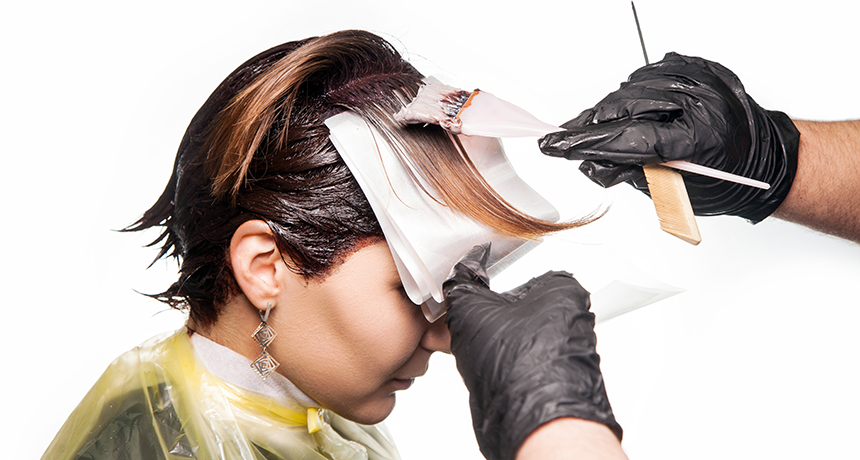
The beauty industry is evolving, and so are the products we use. Gone are the days of chemical-laden hair dyes that damage both our hair and the environment. Today, the rise of environmentally friendly hair dye options has transformed the way we approach hair coloring. From non-toxic hair color to plant-based dyes, innovative solutions are making it easier than ever to achieve stunning, long-lasting color without the risks associated with synthetic dyes.
These advancements focus on chemical-free hair dye alternatives that provide vibrant, rich pigmentation while keeping hair healthy and nourished. Whether it’s semi-permanent hair dye with natural pigments or bio-based solutions, the new generation of hair dyes is setting a high standard for sustainability and safety.
Black Bean and Graphene: The Future of Natural Hair Coloring
Among the latest breakthroughs in hair dye innovation, two natural sources stand out: black bean extract and graphene-based hair dye. These ingredients are leading the shift toward sustainable beauty industry practices, providing effective and lasting results without harmful chemicals.
Graphene, a revolutionary material, is gaining traction for its ability to create long-lasting hair dye that is safe and efficient. Meanwhile, black bean extract, rich in anthocyanins, is proving to be a powerful alternative for semi-permanent hair coloring. With a deep commitment to health and sustainability, these bio-based hair dyes are redefining beauty standards worldwide.
The Drawbacks of Traditional Hair Dyes
For decades, traditional oxidative dyes have dominated the market. While they offer vibrant color, their harsh chemical composition—including ammonia, parabens, and synthetic pigments—can cause significant hair damage. Frequent use of these dyes leads to dryness, scalp irritation, and even allergic reactions, making them less than ideal for long-term hair health.
Additionally, the environmental impact of conventional hair dyes is alarming. Many contain toxic substances that enter water systems, affecting marine life and ecosystems. This has sparked a global demand for alternative hair dye options that prioritize both health and sustainability.
Graphene-Based Hair Dye: A Safer Alternative
One of the most exciting advancements in the industry is the development of graphene-based hair dye. Known for its exceptional conductivity and strength, graphene has found a new role in cosmetics. Unlike traditional dyes, graphene does not rely on harsh chemicals to bond with the hair shaft. Instead, it creates a protective layer that delivers long-lasting color while keeping hair soft and hydrated.
This innovation eliminates the need for ammonia and peroxide, reducing damage and irritation. Moreover, graphene’s natural black hue makes it an ideal candidate for natural pigments, offering a rich, glossy finish that lasts. As scientists continue to explore its potential, graphene is proving to be a game-changer in hair coloring products.
Black Bean Extract for Hair Coloring: A Natural Solution
Black bean extract is another groundbreaking ingredient making waves in the beauty industry. Rich in cyanidin-3-glucoside, a powerful natural pigment, black bean dye provides a deep, rich color without the harmful effects of synthetic dyes. This plant-based alternative is not only safe but also packed with antioxidants that nourish the hair.
Through maceration in hydrochloric ethanol, black bean extract achieves optimal color concentration. The result? A potent, semi-permanent hair dye that offers stunning shades ranging from dark reddish-brown to deep black. With the increasing demand for herbal hair color, black bean extract is positioning itself as a leading natural alternative.
Stability and Efficacy of environmentally friendly hair dye
One of the key challenges in developing plant-based dye solutions is ensuring dye stability. Black bean extract has proven to be highly stable, especially when combined with antioxidants. Studies show that the addition of antioxidants significantly enhances the longevity of the pigment, making it a viable alternative to traditional dyes.
In controlled experiments, black bean hair gel with color demonstrated impressive staining efficacy, maintaining its shade through multiple washes. With a pH stability range of 4.00–7.00, black bean dye remains effective without altering hair structure, making it a safe and chemical-free hair dye option.
Industrial Applications of Natural Hair Dyes
The demand for sustainable beauty industry solutions has propelled natural dyes into new industries. Beyond personal cosmetics, black bean anthocyanins, and graphene-based hair dyes are now being explored for use in pharmaceutics and cosmetics.
As companies shift toward bio-based hair dye solutions, the potential for widespread adoption is immense. Manufacturers are increasingly investing in research to refine these dyes for commercial production, ensuring they meet quality and safety standards while maintaining their natural benefits.
Sustainable and Bio-Based Hair Dye Solutions
With the beauty industry focusing on eco-conscious practices, bio-based hair dye has become a top priority. Ingredients like henna, indigo, and soybean extracts are being incorporated into formulations to enhance their sustainability and effectiveness.
Not only do these solutions provide safer alternatives for consumers, but they also reduce the ecological footprint of hair coloring products. With continuous innovation, the future of alternative hair dye looks promising, offering options that are both luxurious and environmentally responsible.
Hair Dye Market Trends and Innovations
The hair dye market is witnessing a rapid shift toward natural pigments and herbal hair color formulations. Consumers are now more informed and selective, choosing chemical-free hair dye options that align with their health-conscious values.
From graphene to black bean extracts, these innovations are setting new standards in hair care. With major brands investing in sustainable research, the future of hair dye innovation is bright, promising more options that cater to the needs of modern consumers.
Benefits of Using Plant-Based Hair Colors
Choosing plant-based dye over synthetic alternatives comes with multiple benefits. Natural hair dyes nourish the scalp, prevent dryness, and promote overall hair health. They also offer semi-permanent hair dye effects, allowing users to experiment with colors without a long-term commitment.
Furthermore, these environmentally friendly hair dyes minimize allergic reactions and scalp irritation, making them a safer choice for individuals with sensitive skin. With eco-friendly advantages and improved formulation techniques, herbal hair color is redefining the beauty industry.
Comparing Synthetic and Natural Hair Coloring Agents
Traditional hair dyes rely on oxidative dye processes that penetrate the hair shaft, often causing damage. In contrast, natural pigments coat the hair, preserving its structure while adding shine and depth.
While synthetic dyes provide immediate and intense results, their long-term effects can be harmful. On the other hand, bio-based hair dye options offer a gentler approach, ensuring beauty without compromise.
Role of Antioxidants in Hair Dye Stability
One of the most crucial aspects of hair pigmentation is ensuring that color remains vibrant over time. Antioxidants play a key role in this process by protecting the pigment from oxidation and degradation.
By incorporating antioxidants into hair coloring products, manufacturers enhance color longevity and stability. This is particularly relevant for plant-based dye formulations, ensuring they remain competitive with traditional synthetic dyes.
Frequently Asked Questions (FAQs)
- Are natural hair dyes as effective as synthetic ones?
Yes! With advancements in technology, plant-based dye solutions now offer vibrant, long-lasting hair dye effects while nourishing the hair. - Can black bean and graphene dyes work for all hair types?
Absolutely. These innovative dyes are formulated to suit various hair textures, ensuring even coverage and rich pigmentation. - Is bio-based hair dye safe for sensitive scalps?
Yes. Chemical-free hair dye options, including black bean and graphene-based dyes, are designed to be gentle and safe for sensitive scalps. - How long does semi-permanent hair dye last?
Typically, semi-permanent hair dye lasts between 4 to 6 weeks, depending on hair type and maintenance routine.
