
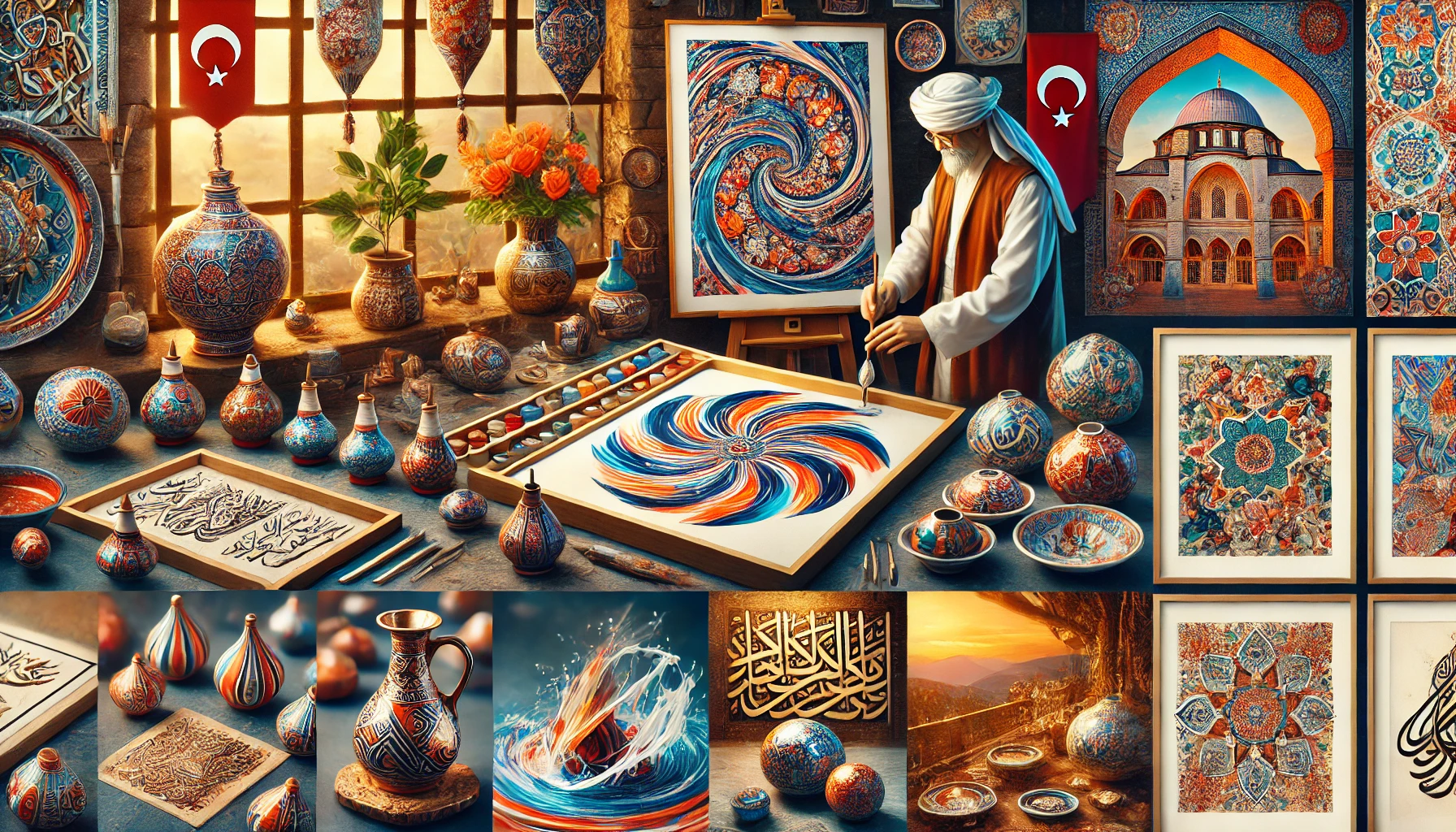
The Evolution of Turkish Art: Tradition to Modernity
Turkey Art has undergone a fascinating transformation, blending centuries-old traditions with modern innovation. From the intricate designs of the Seljuk Dynasty to the contemporary vibrancy seen in Istanbul’s galleries, Turkey’s artistic journey mirrors its cultural evolution. The Seljuks brought exquisite craftsmanship in tiles and ceramics, laying the foundation for the visual splendor later enhanced by the Ottoman Empire.
The transition to modern Turkish art began with the founding of the Republic in 1923 under Mustafa Kemal Atatürk. This period saw a deliberate shift away from Ottoman influences towards a more European-inspired aesthetic. Institutions like Mimar Sinan University, founded by Osman Hamdi Bey in 1882, became pivotal in cultivating a new generation of artists who bridged tradition with modernity. Today, Turkish art is celebrated globally for its unique fusion of old and new.
Turkish Carpets: Stories Woven in Patterns
Turkish rugs are more than mere decorative pieces; they are storytelling artifacts. Woven with intricate patterns, these carpets narrate tales of love, protection, and regional identity. Motifs like the evil eye or animal depictions symbolize hopes and fears, reflecting the weaver’s world.
The diversity of Turkish carpets—from Anatolian kilims to Ottoman-era masterpieces—speaks to the country’s rich cultural heritage. Collectors and art enthusiasts worldwide admire these works for their craftsmanship and symbolic depth, ensuring their place as timeless treasures.
Mustafa Kemal Atatürk’s Influence on Turkey Art
Atatürk’s vision of a modern Turkey extended to the arts. He emphasized the importance of education and cultural renewal, establishing initiatives like the Provincial Tours for Painters. These programs encouraged artists to explore rural Turkey, capturing its essence through their work.
This era also saw the rise of monumental art, such as Nazmi Ziya Güran’s lifelike portraits of Atatürk. Sculptors like Rudolf Belling introduced modernist styles, while architecture flourished with projects like the Ankara Exhibition Hall by Şevki Balmumcu. Atatürk’s impact remains a cornerstone of Turkish artistic identity.
Contemporary Turkish Art: A Global Revival
The Turkish art scene is thriving, with contemporary artists like Burhan Doğancay and Adnan Turani gaining international acclaim. Their works, influenced by abstract and calligraphic traditions, showcase the fusion of Eastern and Western aesthetics.
Istanbul’s art scene, particularly in Karaköy, has become a hub for galleries and exhibitions. Events like Art Ankara and CI: Bloom celebrates Turkish creativity, attracting global audiences. These platforms highlight the country’s evolving art narrative, cementing its place on the world stage.
Art Fairs and Biennales in Turkey: A Guide
Turkey’s art calendar is packed with exciting events. Art Ankara, held annually, brings together thousands of visitors to explore works from over 1,500 artists. Similarly, CI: Bloom focuses on contemporary Turkish art, offering an innovative space for emerging talent.
The Istanbul Biennial, organized by the Istanbul Foundation for Culture and Arts (iKSV), is another must-visit. Curated by luminaries like Iwona Blazwick, this event showcases cutting-edge art from around the globe, solidifying Turkey’s status as a cultural beacon.
Karaköy: Istanbul’s Art Lover’s Paradise
Karaköy, a historic neighborhood in Istanbul, has transformed into a vibrant art district. Its narrow streets are lined with galleries, cafes, and studios, creating a haven for art enthusiasts. The area’s blend of old-world charm and contemporary energy makes it a must-visit destination.
Artists and curators alike are drawn to Karaköy’s creative atmosphere. From abstract installations to traditional pieces, the district offers a diverse artistic experience. It’s no wonder that Karaköy is becoming the heart of Istanbul’s cultural revival.
Exploring Turkish Architecture: From Ottoman to Modernist
Turkish architecture reflects the country’s rich history and modern aspirations. Ottoman-era structures like the Dolmabahçe Palace showcase opulence, while modernist designs in Ankara symbolize progress. Architects like Clemens Holzmeister and Emin Onat played pivotal roles in shaping Turkey’s urban landscape.
The integration of European styles during Atatürk’s era marked a significant shift. Buildings like Atatürk’s mausoleum blend traditional and modern elements, embodying the nation’s dual identity. Today, Turkish architecture continues to innovate while honoring its past.
Digital Innovations in Turkey Art
Digital art is revolutionizing Turkey’s creative landscape. Events like the Digital Art Fest Istanbul explore the intersection of technology and artistry. With themes like virtual identities and augmented reality, these festivals push the boundaries of traditional art forms.
Turkey’s first AI curator, Avind, exemplifies this innovative spirit. By embracing digital mediums, Turkish artists are reaching new audiences and redefining what it means to create in the 21st century.
Preserving Heritage Through Turkish Calligraphy
Calligraphy remains a vital part of Turkey’s artistic heritage. Artists like Adnan Turani have reimagined this tradition, blending Islamic influences with modern techniques. These works serve as a bridge between the past and the present.
Efforts to preserve calligraphy’s legacy are evident in exhibitions and educational programs. By celebrating this art form, Turkey ensures its cultural roots remain a source of inspiration for generations to come.
Frequently Asked Questions (FAQs)
Q: What is the significance of Turkish rugs in art?
A: Turkish rugs are renowned for their intricate patterns and storytelling. Each design reflects regional traditions, with motifs symbolizing themes like protection and family.
Q: Which events highlight contemporary Turkish art?
A: Events like Art Ankara, CI: Bloom, and the Istanbul Biennial showcase contemporary Turkish art on a global stage.
Q: How has Mustafa Kemal Atatürk influenced Turkish art?
A: Atatürk championed modernization in art, encouraging European influences and establishing programs to support rural artists.
Q: What role does Karaköy play in Istanbul’s art scene?
A: Karaköy has become a cultural hub, offering galleries and exhibitions that highlight Turkey’s artistic diversity.
Q: How is digital technology impacting Turkish art?
A: Digital platforms and events like the Digital Art Fest Istanbul are transforming traditional art, making it more interactive and globally accessible.
